What Makes Window Treatments Harder to Install on Tall Windows?
May 31, 2026

Tall Windows Change More Than Just the View
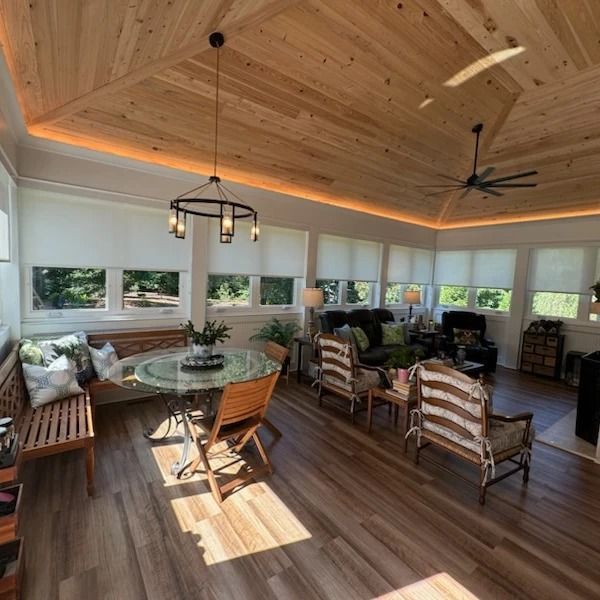
Tall windows can completely transform a room. They make ceilings feel higher, bring in more natural light, and create a more open architectural look that many homeowners in Athens, Georgia want in living rooms, foyers, stairwells, and modern open-concept spaces.
But once it is time to install window treatments, those same windows often become one of the most complicated parts of the home to work on.
A standard bedroom window might take straightforward measuring and a relatively simple installation process. Tall windows introduce a completely different set of challenges involving height, weight, accessibility, alignment, light control, and hardware support. Even selecting the right treatment becomes more technical because the scale of the window affects how the material functions once installed.
That is why window treatments for tall windows often cost more, take longer to install, and require more customization compared to standard-sized openings.
Height Creates Immediate Installation Challenges
The most obvious complication is physical access.
Installers Often Work Several Feet Above the Floor
Tall windows are commonly located in areas such as:
- Two-story living rooms
- Entry foyers
- Stairwells
- Great rooms
- Open loft spaces
These areas usually require:
- Extension ladders
- Scaffolding
- Lift systems
- Multi-person installation crews
The higher the window placement, the more time installers spend safely positioning equipment and aligning hardware correctly.
In Athens homes with vaulted ceilings or large front-facing windows, installers may also need to work around chandeliers, stair railings, or furniture layouts that restrict access.
Precision Becomes More Important at Larger Scales
Small alignment mistakes are more noticeable on tall windows.
If hardware sits unevenly or treatments hang improperly, the issue becomes visually exaggerated because of the larger vertical scale.
For example, slight inconsistencies may cause:
| Installation Problem | Why It Becomes Noticeable |
|---|---|
| Uneven shade height | Creates visible imbalance |
| Misaligned brackets | Affects operation and appearance |
| Fabric drifting | Looks exaggerated on tall spans |
| Crooked mounting | Becomes obvious from across the room |
| Gaps at the edges | Reduces light control |
That level of precision requires additional measuring and installation time.
Larger Window Treatments Are Heavier
Tall windows usually require larger materials, which changes how the system needs to be supported.
Extra Weight Requires Stronger Hardware
Longer shades, wider shutters, and oversized drapery panels place more stress on mounting points.
As a result, installers often need:
- Reinforced brackets
- Additional support anchors
- Stronger mounting systems
- More durable operating hardware
This is especially important for heavier materials such as wood shutters or layered drapery systems.
Weight Affects Daily Operation
Larger treatments can also become harder to operate manually.
Longer shades or blinds may:
- Pull unevenly
- Drift over time
- Wear hardware faster
- Require smoother tension systems
That is one reason motorized window treatments are especially common on tall windows in Athens, Georgia homes.
Tall Windows Often Need Custom Sizing
Very few tall windows work well with standard off-the-shelf window coverings.
Standard Sizes Rarely Fit Correctly
Many oversized windows have unique dimensions that require custom fabrication.
This is common in:
- Custom-built homes
- Modern architecture
- Luxury homes
- Renovated open-concept spaces
Custom sizing increases production complexity because the treatment must be built specifically for the dimensions and proportions of the window.
Window Shape Can Add More Complexity
Some tall windows also include:
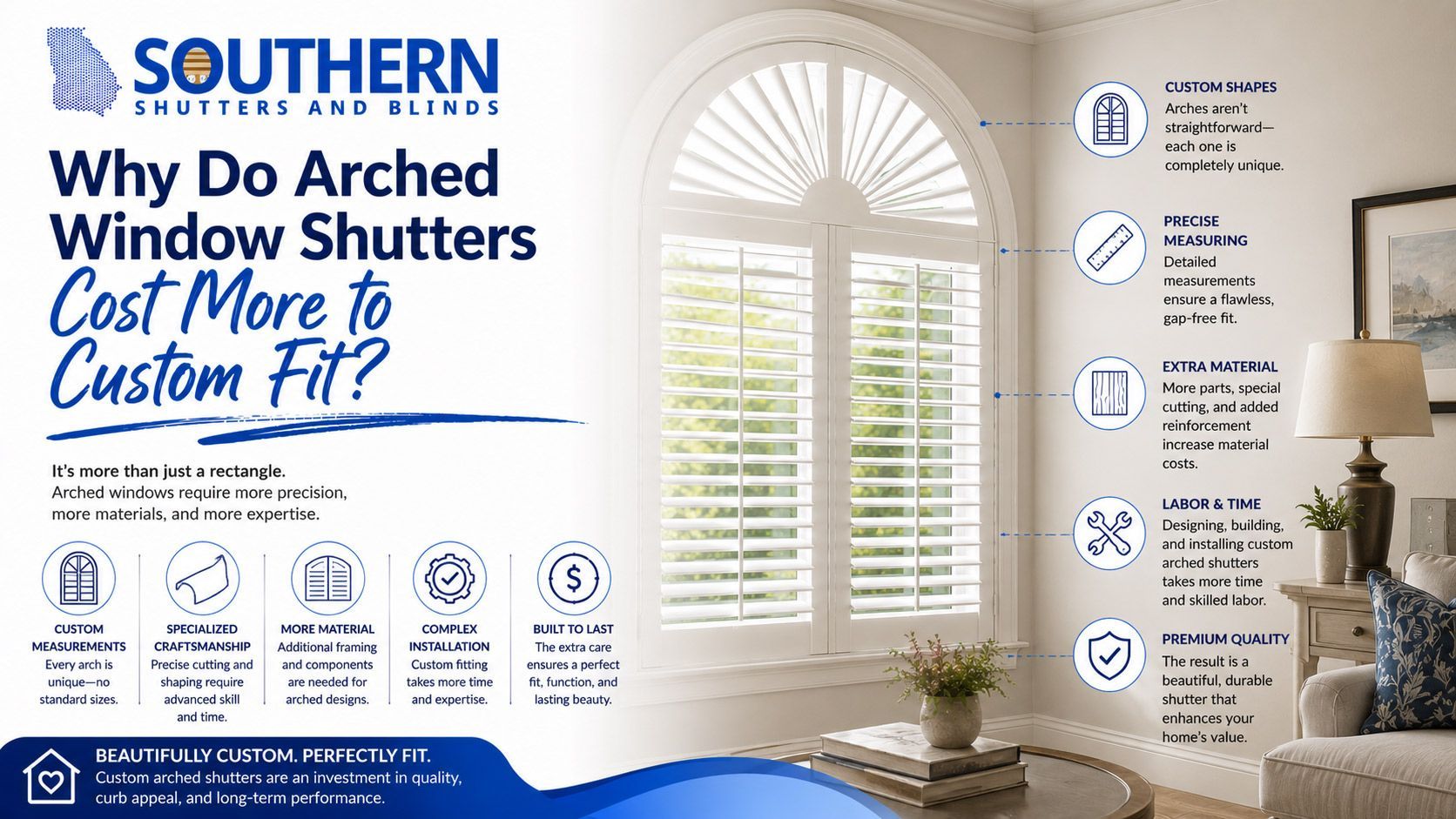
- Arched tops
- Angled ceilings
- Narrow side panels
- Multi-window groupings
Each of these features affects both manufacturing and installation.
A tall rectangular window is already more difficult than a standard opening. Once architectural shapes are added, the project often becomes substantially more specialized.
Light Control Becomes More Complicated
Tall windows bring in more sunlight than standard windows, which changes how homeowners use the space throughout the day.
Sunlight Exposure Can Shift Rapidly
In Athens, Georgia, strong afternoon sunlight can quickly create:
- Heat buildup
- Floor fading
- TV glare
- Eye strain
- Uneven room temperatures
Tall uncovered windows intensify those effects because of their larger glass surface area.
Homeowners often need treatments that balance:
- Natural light
- Heat control
- Privacy
- Visibility
- UV protection
That balance usually requires more advanced product selection compared to smaller windows.
Layered Treatments Are More Common
Large windows frequently use layered systems rather than a single treatment.
For example:
- Solar shades paired with drapery
- Plantation shutters with side panels
- Motorized shades combined with blackout layers
These layered installations increase both labor time and design coordination.
Motorization Adds Another Layer of Installation Work
Because tall windows are difficult to reach, many homeowners choose motorized window treatments.
Wiring and Power Access Matter
Motorized systems may require:
- Electrical planning
- Battery systems
- Smart home integration
- Remote configuration
- Hidden wiring solutions
The installation process becomes more technical once automation is involved.
Multiple Window Synchronization Takes Time
Large rooms often contain several tall windows grouped together.
Homeowners usually want the treatments to:
- Align evenly
- Operate simultaneously
- Maintain consistent spacing
- Match visually across the room
Programming and balancing multiple motorized systems increases setup complexity.
Tall Windows Often Expose Structural Limitations
The surrounding wall structure matters more once oversized treatments are installed.
Some Walls Need Reinforcement
Heavy shutters or large motorized shades may require installers to locate stronger support areas behind drywall or trim.
Weak mounting points can lead to:
- Sagging
- Hardware failure
- Uneven operation
Proper reinforcement is especially important in large two-story installations.
Trim and Molding Can Affect Mounting Options
Decorative trim around tall windows may limit where brackets or shutter frames can be installed cleanly.
Older homes in Athens sometimes have custom molding profiles that require additional adjustment during installation.
Why Tall Windows Are Common in Athens, Georgia Homes
Tall windows are especially popular in homes throughout Athens because they complement several common architectural styles in the area.
These include:
- Traditional Southern homes
- Modern farmhouse designs
- Open-concept renovations
- Transitional architecture
- Custom luxury homes
Many homeowners prioritize natural light and spacious interiors, which naturally leads to larger window designs.
As a result, custom window treatments often become an important part of balancing appearance, comfort, and functionality in these spaces.
What Homeowners Should Consider Before Choosing Treatments
Selecting the right treatment for tall windows usually involves more than appearance alone.
Think About Daily Use
If the treatment will be adjusted frequently, ease of operation becomes extremely important.
Large manual shades may become inconvenient over time, especially in hard-to-reach areas.
Consider Sun Exposure
South-facing and west-facing tall windows in Athens homes often require stronger glare and heat management.
Plan Around Ceiling Height
Very tall installations may require professional measuring and installation simply because of the equipment and alignment involved.
Frequently Asked Questions About Tall Window Treatments
Why are tall windows harder to cover?
Tall windows require larger materials, more precise alignment, stronger hardware, and more difficult installation access.
Are motorized shades worth it for tall windows?
Many homeowners choose motorization because tall windows are often difficult to reach and adjust manually.
Do tall windows require custom window treatments?
In many cases, yes. Oversized windows often need custom sizing to fit correctly and operate properly.
What window treatments work best for tall living room windows?
The best option depends on the room, but popular choices include motorized shades, plantation shutters, layered drapery, and solar shades.
Do tall windows increase installation costs?
They often do because of added labor, equipment requirements, larger materials, and custom fabrication needs.
Conclusion
Window treatments become harder to install on tall windows because the project involves more than covering a larger piece of glass. Height, weight, access, customization, light control, and structural support all influence the complexity of the installation.
In Athens, Georgia homes where tall windows are often major architectural features, professionally fitted window treatments help balance appearance, comfort, privacy, and usability throughout the space. Companies like Southern Shutters and Blinds help homeowners explore solutions designed specifically for oversized and hard-to-cover window layouts.