Can Custom Blinds Save on Energy Bills?
March 28, 2026
In Athens, GA, energy costs are shaped by heat. Long summers, strong afternoon sun, and wide window spans mean air conditioning works hard for much of the year. For many homeowners, that leads to a simple question: can custom blinds actually lower energy bills, or are they just a design upgrade?
The answer depends on how the blinds are built, where they’re installed, and how the home behaves throughout the day. Custom blinds are not automatically energy-saving. But when designed for the way a home gains and loses heat, they can reduce how often and how long cooling systems need to run.

How Windows Affect Energy Use
Windows are the most active thermal surfaces in a home. Even when they are well insulated, they still allow heat to enter during the day and escape at night.
In Athens homes, energy loss and gain happen in predictable patterns:
- Morning sun warms east-facing rooms
- Midday light spreads across open living spaces
- Afternoon sun floods west-facing windows
- Evening temperatures drop, reversing heat flow
Without effective window control, indoor temperatures fluctuate constantly. HVAC systems respond by cycling more often, which raises monthly energy costs.
Blinds influence how much of that heat ever reaches the room.
Why “Custom” Matters
Off-the-shelf blinds are built to fit generic openings. Custom blinds are built for your windows.
That difference affects energy performance in three ways.
Precise Fit
Custom blinds are measured to the exact width and depth of each opening. That minimizes light gaps where heat slips through.
Material Selection
Energy-efficient fabrics are chosen based on exposure. Solar shades, insulating liners, and cellular structures perform very differently than basic vinyl or thin fabric.
Mounting Strategy
Inside mounts, outside mounts, and layered systems change how air moves near glass. Custom designs choose the method that best seals each window.
Energy savings come from control. Customization creates that control.
Where Energy Savings Actually Come From
Custom blinds reduce energy use by limiting how much heat enters and escapes through windows.
They contribute in several concrete ways:
- Blocking solar radiation before it warms interior air
- Creating an insulating layer between glass and room
- Reducing temperature swings near windows
- Preventing localized hot spots that trigger AC cycling
- Maintaining consistent room comfort
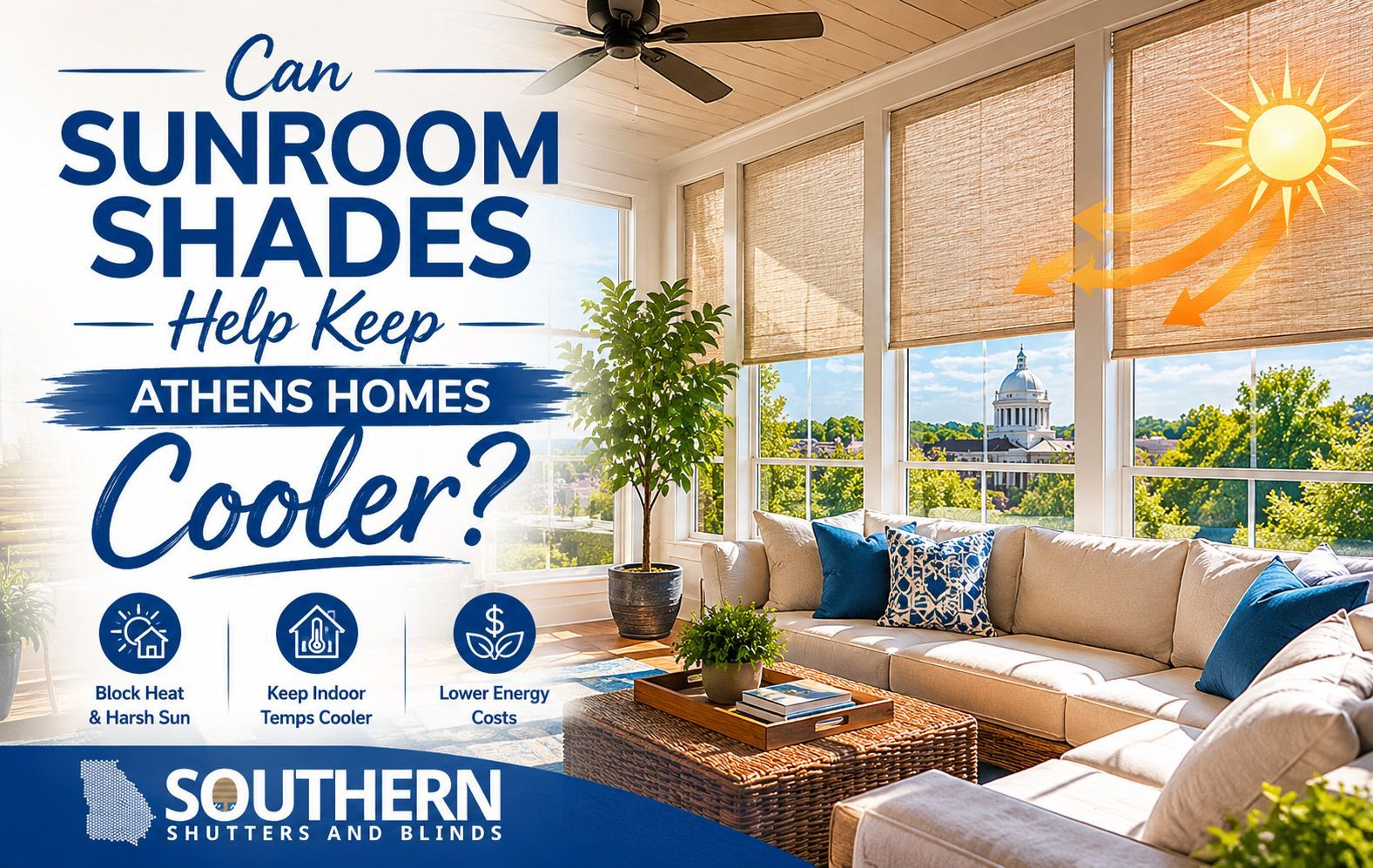
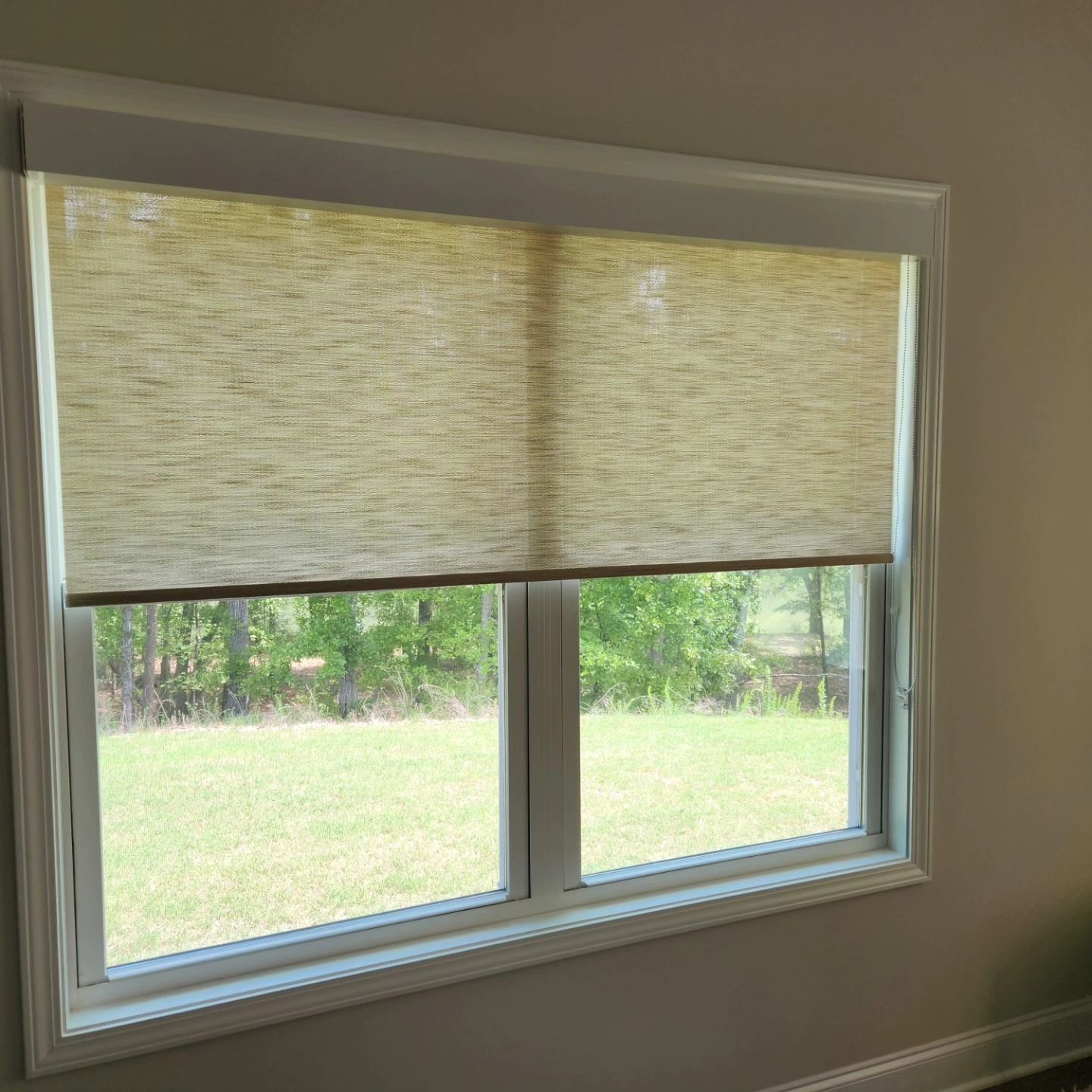
In west-facing Athens living rooms, for example, solar shades can reduce afternoon heat gain dramatically. That doesn’t eliminate air conditioning, but it shortens how long systems need to run at peak load.
Savings accumulate gradually, not instantly.
Which Custom Blind Types Perform Best
Different blind styles offer different levels of thermal control. Some are decorative first. Others are built for performance.
Energy-focused options include:
- Cellular (honeycomb) shades that trap air in insulating pockets
- Solar roller shades that block UV while preserving light
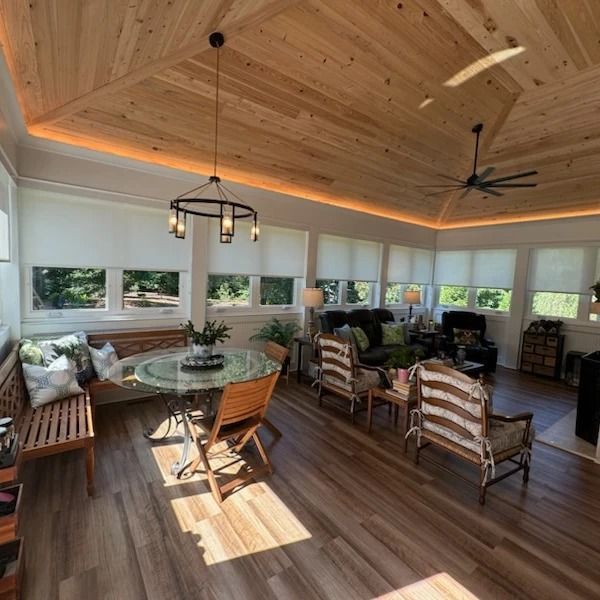
- Layered systems combining sheer and blackout fabrics
- Dual-track setups that change with time of day
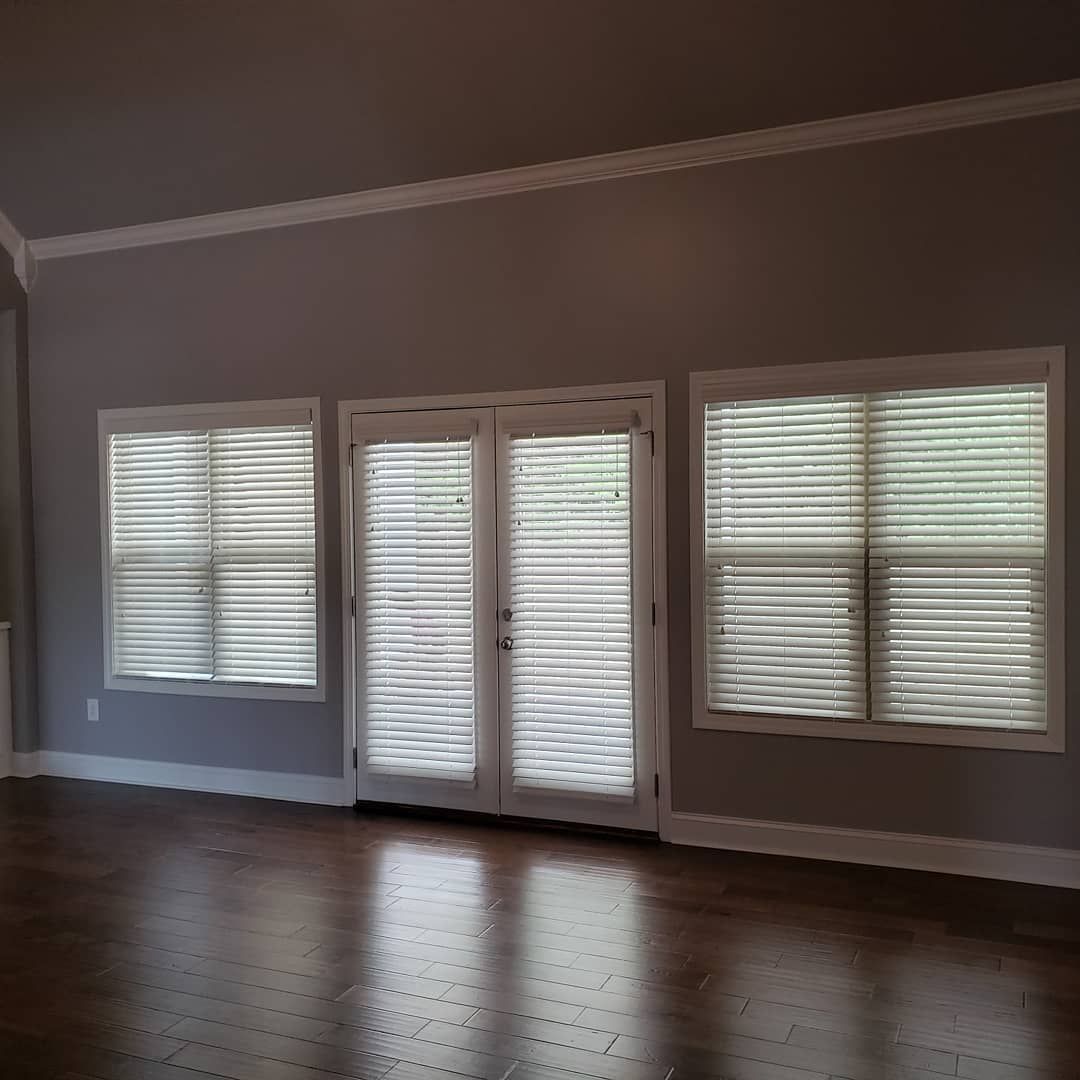
Standard horizontal blinds provide light control but minimal insulation. Performance-driven systems are engineered to manage heat.
What Custom Blinds Cannot Do
Custom blinds are not a substitute for insulation, window replacement, or proper HVAC sizing. They do not eliminate energy costs.
Their role is reduction, not replacement.
They work by:
- Lowering peak cooling demand
- Smoothing temperature swings
- Preventing localized heat buildup
Homes with poor wall insulation or single-pane windows will still lose energy. Blinds help manage the load, not fix the structure.
A Practical Evaluation Flow
Use this sequence to determine whether custom blinds will meaningfully affect your energy use:
- Do certain rooms overheat at predictable times of day?
- Are large windows facing east or west?
- Does your AC run hardest in rooms with heavy sunlight?
- Are existing blinds loose, gapped, or purely decorative?
- Would you prefer passive temperature control over constant thermostat changes?
The more “yes” answers you have, the more likely custom blinds will reduce energy strain.
Frequently Asked Questions
Will custom blinds immediately lower my bill?
They reduce load gradually. Savings appear over time as HVAC cycles shorten.
Are blackout blinds the most efficient?
They block light completely but are best for bedrooms. Solar and cellular systems balance efficiency with daylight.
They improve consistency. Automated timing prevents heat buildup when no one is home.
Yes. Track systems allow shutters to span wide openings and sliding doors.
Is inside mounting better for efficiency?
Often, yes. It reduces airflow between glass and room when properly fitted.
Do blinds help in winter?
Yes. Insulating materials reduce heat loss through windows at night.
Final Thoughts
Custom blinds do not save energy by accident. They save energy when they are designed for how your home actually gains and loses heat.
In Athens, GA, where sunlight is intense and cooling seasons are long, window control is part of energy management. The right system reduces heat before it becomes a problem, lowering how often HVAC systems must respond.
Southern Shutters and Blinds helps Athens homeowners choose custom blind solutions that match window orientation, room use, and daily light patterns—so comfort improves and energy works more efficiently.