Should You Invest in Motorized Blinds vs Manual?
February 26, 2026
Should You Invest in Motorized Blinds vs Manual in Athens, GA
In Athens, GA, window coverings are not decorative extras. They regulate heat, manage glare, protect flooring and furniture from UV damage, and determine whether a room stays usable through the afternoon. With long summers and strong sun angles, blinds shape how a home actually functions.
That’s why homeowners replacing their window treatments often face the same question: should you stick with manual blinds, or invest in
motorized ones? This is not a lifestyle decision. It’s a functional one, shaped by window placement, daily light movement, and how much effort you want to spend managing comfort.
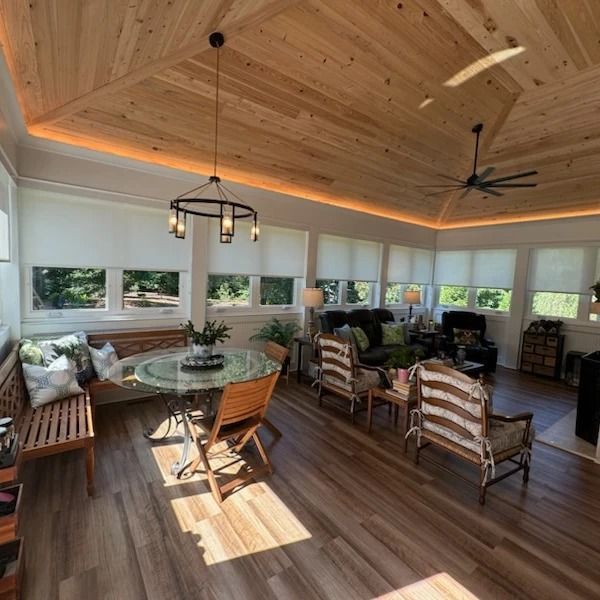
Understanding Manual and Motorized Systems
These two systems solve the same problem in very different ways, which is why they behave differently inside a home.
Manual Systems
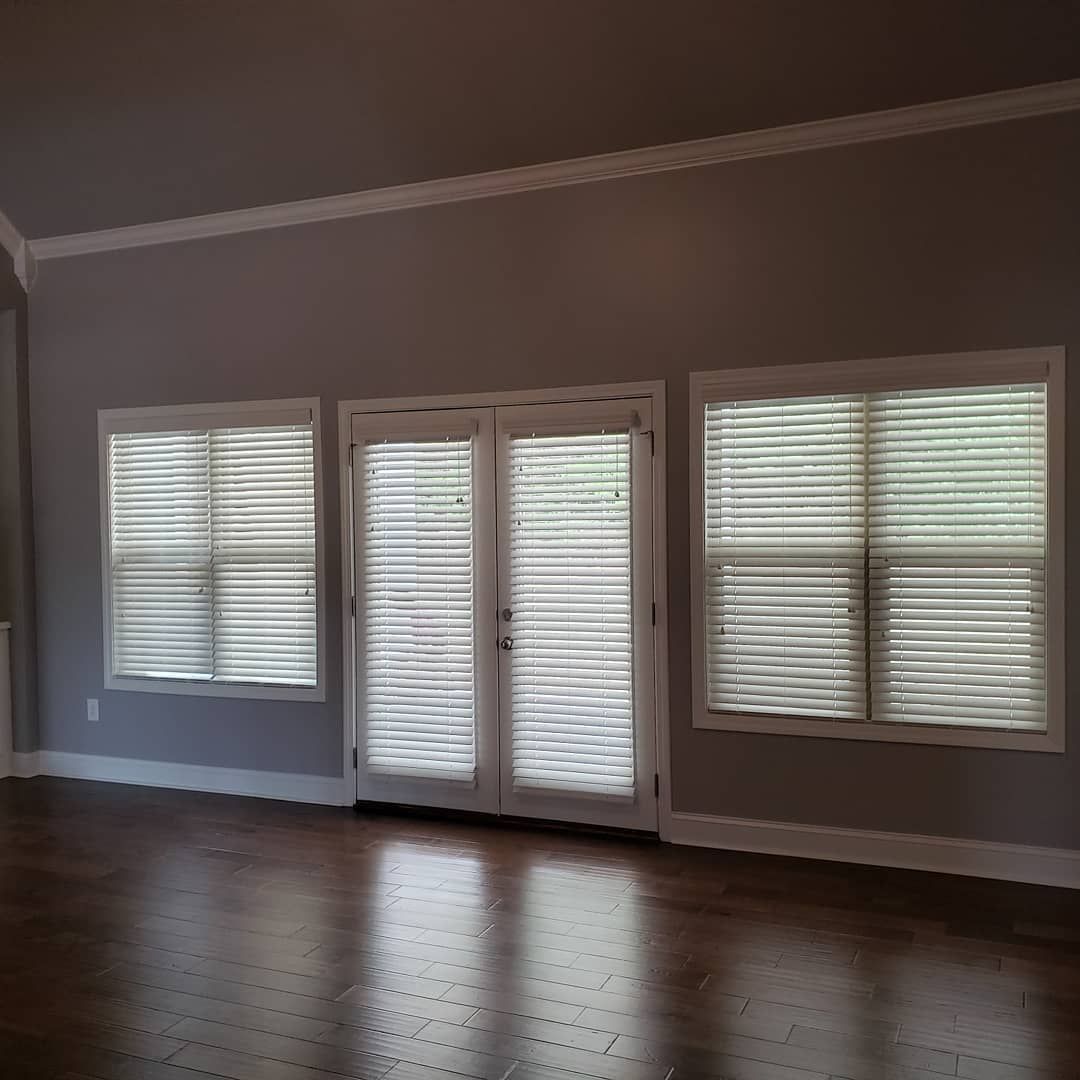
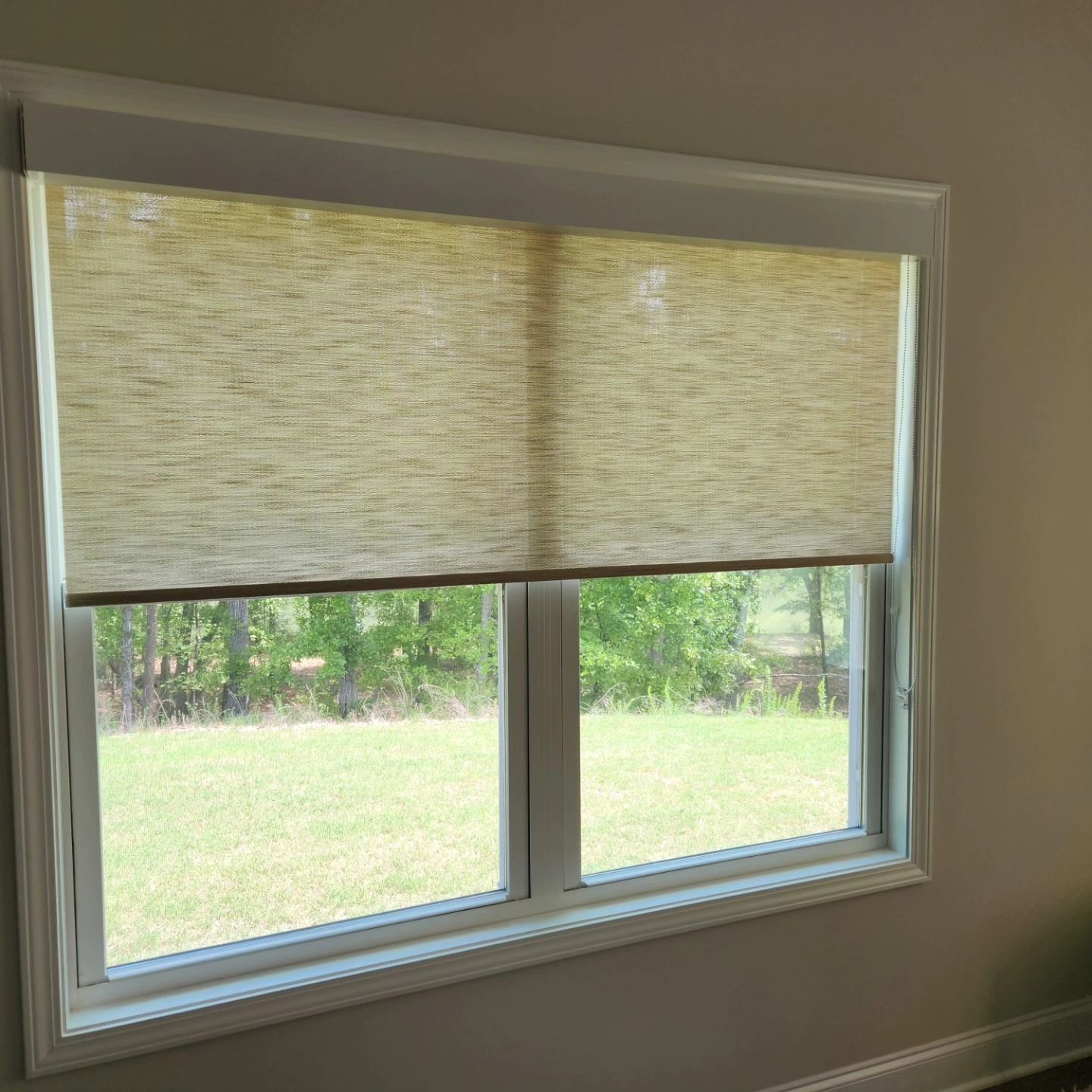
Manual blinds operate through physical interaction. You walk to the window, pull a cord or chain, tilt a wand, and stop when the light feels right. Their effectiveness depends on habit and availability. If you notice glare and act on it, they work.
Motorized Systems
Motorized blinds respond electronically. They move by remote, wall switch, mobile app, or preset schedule. Their effectiveness depends on timing rather than memory. They can adjust before discomfort appears and can move multiple windows together.
Both systems control light. Only one controls behavior. Manual systems wait. Motorized systems act.
How Each System Changes Daily Use
The difference between these options is not cosmetic. It changes how rooms behave over the course of a day.
Living With Manual Blinds
Manual systems fit into routine. You open them in the morning, close them in the evening, and adjust them when something feels off. They work best in rooms where light is predictable and windows are easy to reach. Their presence is passive. They respond only when you intervene.
Living With Motorized Blinds
Motorized systems change the rhythm of a space. Instead of reacting to glare or heat, the room adapts as the day progresses. Blinds lower before afternoon sun floods the room. They rise gradually in the morning. Multiple windows move together, keeping large spaces visually balanced.
Where Manual Blinds Are the Better Fit
Manual blinds perform best in environments where control is simple and infrequent.
They are usually the right choice in:
- Rooms with standard-height windows
- Spaces with indirect or gentle sunlight
- Guest rooms and rarely used areas
- Homes with traditional layouts and predictable light patterns
- Budgets where automation would not solve a functional problem
In these contexts, motorization does not remove friction. It adds capability without solving a real need. Manual blinds remain reliable, uncomplicated, and cost-efficient.
Where Motorized Blinds Become Functional
Motorized blinds earn their cost in spaces where manual operation creates resistance.
They become functional in:
- Rooms with tall or vaulted windows
- Two-story living areas
- Spaces with wide sliding glass doors
- West-facing rooms that overheat in the afternoon
- Homes where mobility or reach is limited
- Large open areas with many windows that must move together
In these environments, manual blinds are often adjusted once and then ignored. The result is predictable: glare becomes routine, rooms overheat, and the blinds exist without being used. Motorization removes that barrier by making control effortless and consistent.
Cost Versus Value Over Time
Motorized blinds cost more upfront. That part is unavoidable. But the comparison is not cheap versus expensive. It is effort-based control versus environment-based control.
A blind that is difficult to reach is often underused. When that happens, rooms overheat, glare becomes normal, furniture fades, and energy efficiency drops. Manual systems rely on someone being present, noticing the change, and acting.
Motorized systems respond whether anyone remembers or not. Their value is not novelty. It is consistency.
Why Athens’ Climate Changes the Decision
Athens homes face conditions that make shading a daily necessity rather than an occasional adjustment.
Several regional factors influence this decision:
- Strong west-facing sun that intensifies late in the day
- Long cooling seasons where heat management is constant
- High UV exposure that fades interiors quickly
- Interior temperature swings caused by large window spans
In this environment, comfort depends on reliability. Automated shading stabilizes rooms and keeps spaces usable throughout the day. Manual blinds can achieve the same result only through constant human input.
A Practical Decision Flow
Use this sequence to decide where motorization actually belongs in your home:
- Are the windows difficult to reach?
- Does the room overheat in the afternoon?
- Are the blinds adjusted multiple times a day?
- Is this space central to daily life or only occasionally used?
- Do you plan to stay in the home for many years?
The more “yes” answers in the first three questions, the more motorization becomes functional rather than optional. Many Athens homeowners mix systems, using manual blinds in secondary rooms and motorized blinds in high-impact spaces.
Frequently Asked Questions
Are motorized blinds only for smart homes?
No. They can operate with a simple remote. Smart-home integration is optional.
Do motorized blinds require wiring?
Some systems use low-voltage wiring. Others run on rechargeable batteries. Many homes require no structural changes.
Are manual blinds more durable?
Both systems are durable when well-made. Motorized blinds add electronics, but quality components are designed for long-term use.
Do motorized blinds increase home value?
They enhance perceived modernity and convenience, especially in homes with large windows or high ceilings.
Can existing blinds be motorized?
Sometimes. Feasibility depends on the current hardware and window structure.
Final Thoughts
Choosing between manual and motorized blinds is not about indulgence. It is about how your home behaves from morning to evening.
In Athens, GA, sunlight and heat are constant forces. The right system does more than block light. It shapes comfort, usability, and rhythm. Some rooms benefit from simplicity. Others demand responsiveness.
Southern Shutters and Blinds helps Athens homeowners evaluate each space individually, pairing the right level of control with how the home is actually used so every decision feels intentional rather than excessive.